Lahore: The Former Capital of the Sikh Empire
Lahore was also the glittering capital of the Sikh Empire under Maharaja Ranjit Singh from 1799 to 1849. Even today, Lahore is dotted with traces of its Sikh imperial past, from the grand Samadhi of Ranjit Singh to historic Gurdwaras tucked within the narrow lanes of the Walled City.
The Lahore Sikh Heritage Trail: 10 Must-Visit Sites
1. Samadhi of Maharaja Ranjit Singh
The Samadhi (mausoleum) of Maharaja Ranjit Singh is a masterpiece of Sikh funerary architecture located adjacent to the Lahore Fort and Badshahi Mosque. The white marble structure with its distinctive pavilions and lotus-topped domes is a must-see for every Sikh pilgrim visiting Lahore.
2. Gurdwara Dera Sahib
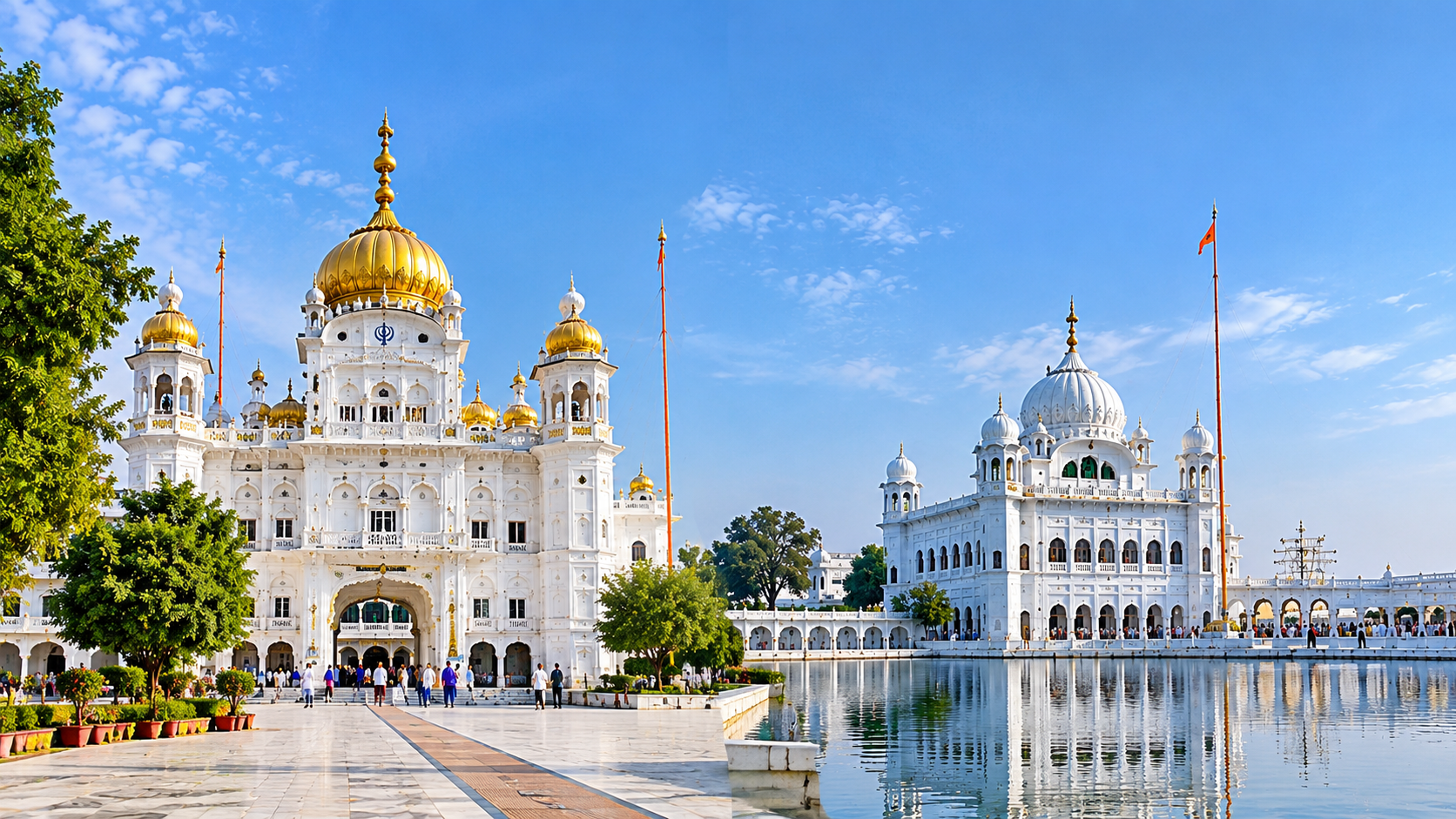
Built on the site where Guru Arjan Dev Ji was martyred in 1606, Gurdwara Dera Sahib is one of the most emotionally significant Sikh sites in Lahore. The original Gurdwara was built by Maharaja Ranjit Singh in 1818.
3. Gurdwara Janam Asthan Sri Guru Ram Das Ji
Hidden within the bustling lanes of Chuna Mandi in the Walled City, this Gurdwara marks the birthplace of Guru Ram Das Ji, the fourth Sikh Guru, born in Lahore in 1534.
4. Lahore Fort (Shahi Qila)
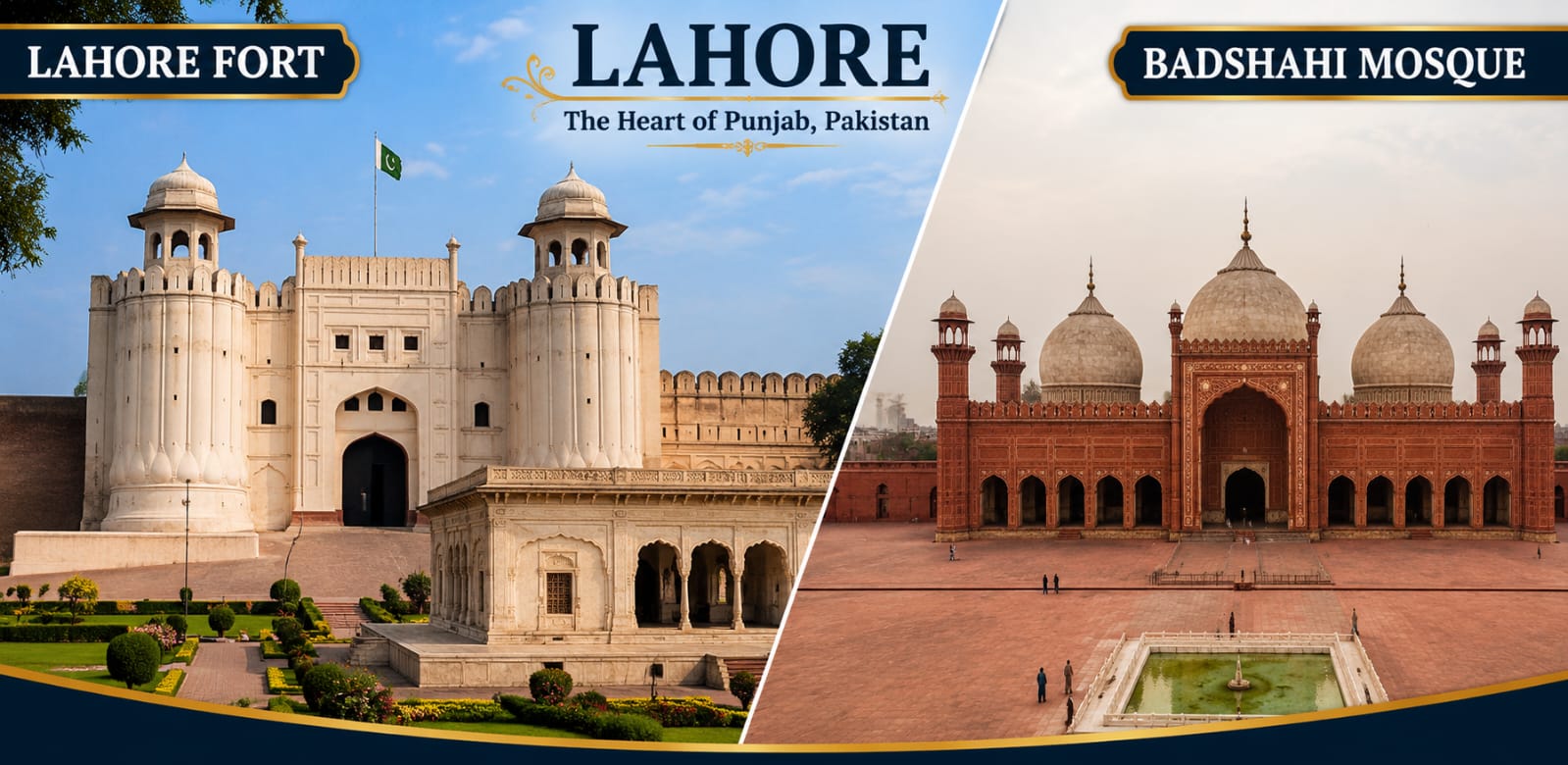
A UNESCO World Heritage Site, the Lahore Fort contains the Hazuri Bagh Baradari — a pavilion built by Maharaja Ranjit Singh in 1818 — and displays Sikh-era architecture in its museum.
5. Hazuri Bagh
The Hazuri Bagh (Garden of Presence) is the garden between the Lahore Fort and Badshahi Mosque. During Ranjit Singh's reign, it was a ceremonial garden where the Maharaja held court.
6. Sikh Museum, Lahore Fort
The Sikh Gallery within the Lahore Fort Museum displays an impressive collection of Sikh artefacts, including weaponry, coins, portraits, and documents from the era of the Sikh Empire.
7. Gurdwara Shahid Ganj Bhai Taru Singh
Located in the Naulakha area of Lahore, this Gurdwara commemorates Bhai Taru Singh, a young Sikh martyr executed in 1745 for refusing to convert to Islam.
8. Chuna Mandi Historic Area
A walk through Chuna Mandi in the Walled City reveals numerous old havelis, wells, and structures from the Sikh era featuring the distinctive style of Sikh-era architecture.
9. Anarkali Bazaar Area
The Anarkali area of Lahore is rich in atmosphere and layered history. During the Sikh Empire, this was a bustling commercial hub where traders from across Central Asia gathered.
10. The Zamzama Cannon
The massive Zamzama cannon — also called "Kim's Gun" after Rudyard Kipling's novel — was originally cast by Sikh forces. It stands in front of the Lahore Museum on Mall Road and is an iconic symbol with direct Sikh connections.
Practical Tips for the Lahore Heritage Trail
The Walled City of Lahore is best explored on foot or by bicycle-rickshaw. Walking allows you to absorb the incredible atmosphere of this 2,000-year-old city.
- Best time to visit: Early morning (7-10 AM) before the crowds and heat build up
- Guided tours: A knowledgeable guide is invaluable for navigating the Walled City
- Food: Do not miss breakfast at Lahore's famous halwa puri stalls — a Punjab institution
- Dress: Modest clothing; cover your head when entering any Gurdwara
- Safety: Lahore is generally very safe for tourists
Explore Lahore with Sikh Tour Pakistan
Our Lahore Sikh Heritage Day Tour covers all major sites with a dedicated historian-guide, private transport within the city, and a traditional Lahori lunch. It is the perfect introduction to Pakistan's magnificent Sikh heritage.